Watercolor Flower Element Iris: A Designer’s Real-World Review
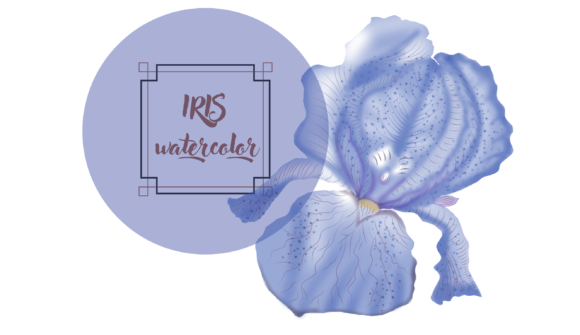
If you're an embroidery designer or a creative entrepreneur looking to elevate your handmade products, the Watercolor Flower Element Iris is worth a closer look. This digital illustration of a transparent blue iris in a watercolor style isn’t just another pretty graphic—it's a versatile design element that can bring subtle elegance and softness to a wide range of projects. As someone who regularly tests machine embroidery designs for real-world use, I wanted to share my hands-on impressions of how this piece holds up in practice.
First Impressions and Visual Personality
The moment I opened the file, the Watercolor Flower Element Iris stood out with its delicate, fluid lines and translucent quality. The blue tones are soft and layered, mimicking the natural depth of a hand-painted watercolor. It doesn’t shout; it whispers. That kind of subtlety makes it ideal for designs where you want to convey calm, creativity, or a touch of botanical beauty without overwhelming the eye.
I found myself thinking about how well this could complement other elements—maybe paired with minimalist typography or used as a background accent in a printable mockup. Its shape is organic, which gives it a natural feel that works especially well in handmade product contexts like custom sweatshirts, tote bags, or even baby apparel. The detail level is moderate but refined, making it suitable for both large-scale prints and smaller embroidery areas if handled carefully.
Real-Life Application Scenarios
Let’s imagine a practical project: a tote bag design for a boutique line of eco-friendly shopping bags. The Watercolor Flower Element Iris would add a soft floral touch that feels modern yet timeless. Because it’s not too busy, it won’t compete with any text or logo you might place nearby. On cotton canvas or linen blends, it stitches cleanly and maintains its visual integrity, especially when using satin stitch or light fill stitch work.
For sweatshirt embroidery, the design could serve as a decorative accent on the sleeve or chest area. It adds a sense of refinement without being too fussy, which is perfect for casual wear. Similarly, in custom apparel like hoodies or long-sleeve tees, the flower’s gentle presence brings a calming aesthetic, particularly appealing for women’s fashion or children’s clothing.
When considering nursery decor or holiday gifts, the Watercolor Flower Element Iris has a lot going for it. The pastel hues resonate with themes of nature and tranquility, fitting beautifully into personalized gifts like embroidered onesies, pillow covers, or even tea towels. For embroidered patches, the design’s clarity allows it to be stitched at various sizes while still maintaining its charm, provided the hoop size and stabilizer are chosen wisely.
What Kind of Projects Thrive with This Design?
- Craft business branding: Use it as part of a cohesive set of design assets for packaging or social media posts.
- Etsy seller collections: Add it to handmade items like aprons, hats, or kitchen towels to create a consistent theme.
- Commercial embroidery: Ideal for small shop merchandise or boutique-style items where soft, artistic details matter.
- Digital product previews: Incorporate it into printable mockups to showcase your embroidery offerings online.
Where to Use It Carefully
While the Watercolor Flower Element Iris is a strong candidate for many projects, there are some situations where it needs a bit more attention before use.
On small hoop sizes, the design may lose some of its character due to the reduced space for intricate strokes. If you’re working with textured fabrics, such as denim or flannel, the fine details might not stitch as crisply, so consider simplifying certain parts or adjusting stitch density. Thin or stretchy fabrics also require careful planning—make sure to use a proper stabilizer to avoid puckering or distortion.
Another thing to note is that the design’s softness might get lost on dark fabric backgrounds. While the thread colors are likely designed to pop, I recommend always testing the thread color contrast on your intended material. Also, for items that will see frequent washing, like baby clothes or reusable totes, check the stitch density to ensure durability over time.
Challenges on Curved and Layered Surfaces
Embroidering onto curved surfaces like caps or hats can be tricky. The Watercolor Flower Element Iris has enough negative space to allow for some flexibility, but alignment and tension control become critical. You’ll need to test it on actual caps to see how it wraps around the brim or crown.
On layered garments or multi-layered materials, the design might appear slightly flattened unless you adjust the stitching order or use a backing layer. This is something to keep in mind if you're creating handmade products with multiple fabric layers or textures.
Design Impact on Product Value and Customer Perception
One of the things I appreciate most about this design is how it enhances the visual appeal of a finished product. The Watercolor Flower Element Iris adds a touch of sophistication and artistry, which can significantly boost the perceived value of your items. Whether it’s a personalized gift or a commercial item sold through a craft business, this design contributes to a more professional and curated look.
In terms of customer trust, using a high-quality, thoughtfully designed embroidery file like this one signals attention to detail. Clients and buyers notice these touches, especially when they compare your work to mass-produced alternatives. The design’s consistency in layout and stroke helps maintain brand recognition across different products, from logo applications to holiday embroidery.
As an embroidery designer, I’ve seen how subtle, artistic elements can influence buyer engagement. The Watercolor Flower Element Iris isn’t loud, but it’s memorable. It fits naturally into the category of seamless graphics and can be repeated or adapted for illustrations that flow together without feeling cluttered.
Handmade Presentation and Giftability
There’s something special about seeing a handmade product that carries a unique design. The Watercolor Flower Element Iris elevates the presentation of items like pillow covers or aprons, giving them a personal, artisanal flair. For gift makers, it’s a great choice for personalized gifts—its soft tones make it universally appealing, and it can easily blend into wedding gifts, nursery sets, or seasonal decorations.
Designer Notes and Best Practices
Before using the Watercolor Flower Element Iris in your next embroidery project, here are a few tips based on my experience:
- Test on scrap fabric first: Especially if you’re new to the design or using it on an unusual material.
- Review stitch density: Adjust settings depending on whether you're using fill stitch, running stitch, or satiny effects.
- Confirm hoop size: If the design is larger than expected, you may need to scale it down or break it into sections.
- Inspect small details: Make sure every petal and stroke translates well in the final stitch-out.
- Use black and white mockups: See how the design functions without color—this can help with placement and contrast.
- Compare light and dark fabric backgrounds: Understand how the design behaves under different lighting and fabric conditions.
- Use proper stabilizer: Especially important for thin or stretchy materials to prevent distortion.
- Check licensing before selling: Ensure the digital embroidery file allows for commercial use if you plan to sell finished items or digital products.
Final Thoughts
The Watercolor Flower Element Iris is a standout addition to any embroidery designer’s toolkit. It offers the kind of visual warmth and versatility that can transform a basic item into something truly memorable. Whether you're crafting for your own collection or preparing a batch of commercial embroidery for a client, this design has the potential to enhance your finished product in meaningful ways.
However, as with any machine embroidery design, success depends on thoughtful application. Pay attention to fabric type, thread choices, and stitch behavior. With the right preparation, the Watercolor Flower Element Iris can become a signature element in your design assets, helping you stand out in a competitive market like Etsy or local craft fairs.
If you're a creative entrepreneur or a hobbyist exploring new graphics for your handmade goods, take a moment to consider how this design aligns with your brand and your customer’s expectations. It might just be the quiet, elegant touch your next project was missing.