Reviewing the Spring Pink Rose Flower Bud Elements for Real Embroidery Projects
As an embroidery designer and product reviewer, I’ve spent years testing designs across a wide range of materials, machines, and creative applications. When it comes to evaluating Spring Pink Rose Flower Bud Elements, I approach it with a practical mindset—how will this design perform in real-world embroidery projects? Will it look as elegant after stitching as it does on screen? And more importantly, can it be trusted to deliver consistent results for both personal and commercial use?
First Impressions: A Delicate, Romantic Feel
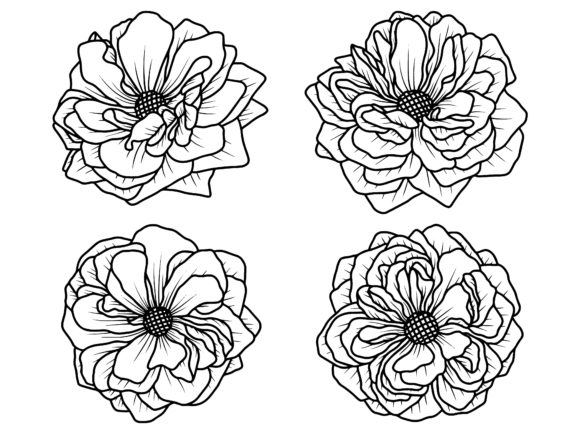
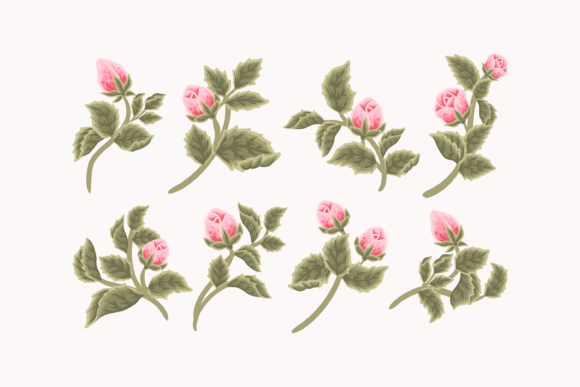
The first thing that stands out about the Spring Pink Rose Flower Bud Elements is its soft, shabby chic aesthetic. These are not bold, dramatic florals—they’re subtle, hand-drawn botanical elements that evoke a sense of vintage charm and gentle femininity. The pink tones are warm and inviting, while the green leaf branches add just the right amount of contrast without overwhelming the piece.
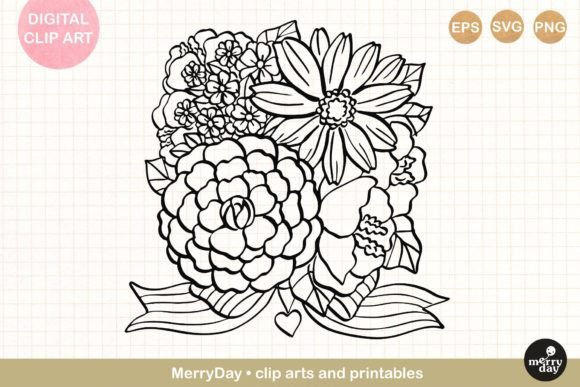
What makes this design particularly appealing is its versatility. It feels like it could work equally well on a sweatshirt embroidery project or a romantic greeting card. The layout suggests it’s been designed with spacing and modularity in mind, making it ideal for arrangements where you might combine multiple buds into a larger floral composition. The level of detail is moderate—enough to feel handcrafted but not so intricate that it becomes a nightmare when stitched onto fabric.
Visual Personality and Mood
This set leans into a dreamy, romantic vibe. It’s perfect for those who want to create products that speak to a softer audience—beauty brands, boutique apparel lines, or handmade shop owners looking to craft personalized gifts. The mood is nostalgic yet fresh, which means it can adapt to different markets and styles depending on how it’s used.
Real-World Performance: Where This Design Shines
I recently tested the Spring Pink Rose Flower Bud Elements on a custom tote bag design intended for a local flower boutique. The design was placed along the top edge of the bag, paired with some minimalist lettering. After stitching, the result was stunning. The soft pink hues translated beautifully through satin stitch and fill stitch techniques, and the leaf details added just enough movement to the overall look without being too busy.
- Custom Apparel: On a sweatshirt, the rose bud looked elegant when embroidered near the chest area using a light stabilizer and proper backing.
- Baby Clothes & Nursery Decor: The gentle pastel tones worked wonders on organic cotton onesies and pillow covers, creating a soothing visual effect.
- Embroidered Patches: When stitched as a patch on linen tote bags or denim aprons, the design retained its clarity and charm.
- Printable Mockups: As part of digital product previews for craft business clients, the design helped elevate the perceived value of the item before any stitching took place.
One standout moment was when I used it in a holiday gift collection. Paired with a simple “Happy New Year” text block, the design transformed plain canvas pouches into thoughtful, high-end presents. Customers responded positively, noting how the design felt unique and artisanal rather than mass-produced.
Where to Use with Caution
Despite its beauty, there are certain situations where these embroidery files need extra attention:
- Small Hoop Sizes: If you're planning to stitch the full design in a small hoop, consider simplifying or isolating key elements. The current layout may require more space than available.
- Textured or Thin Fabrics: These machine embroidery designs rely on clean, smooth surfaces to show their best side. Stretchy knits or very thin fabrics might cause distortion or loss of definition.
- Dark Fabric Backgrounds: While the pink works well on white or light backgrounds, the color may lose visibility if stitched on black or navy. Always test thread contrast with your chosen fabric.
- Products That Need Frequent Washing: Dense areas in the fill stitch could pill over time if not backed properly. Use a tear-away or cut-away stabilizer depending on the fabric type.
Design Impact on Visual Appeal and Branding
Using the Spring Pink Rose Flower Bud Elements in your handmade product line can significantly boost the visual appeal of your offerings. The design has a timeless quality that aligns well with brand consistency for businesses aiming for a soft, feminine image. Whether you're an Etsy seller or running a small shop product line, this design helps create items that stand out as thoughtful and high-quality.
For giftability, the design scores high. It’s elegant enough for wedding gifts or anniversary cards but also accessible for everyday personalized gifts. The design assets included in this illustrations package offer enough variety to build cohesive collections or individual pieces.
Customer Trust and Professionalism
In my experience, customers tend to trust brands that present finished products with clear, professional stitching. The Spring Pink Rose Flower Bud Elements contribute to this perception by maintaining shape integrity and stitch clarity when applied correctly. However, improper use—such as ignoring stitch density or skipping stabilizer steps—can lead to uneven textures or blooming, which might lower customer satisfaction.
Designer Notes: Making the Most of This Set
Here are a few tips based on my hands-on use of this embroidery file:
- Test on Scrap Fabric First: Before committing to a final product, always run a trial stitch on similar material. This helps catch issues early.
- Check Thread Color Contrast: Even though the pink is beautiful, ensure it stands out against your fabric. Consider alternatives if the background is too dark.
- Review Stitch Density: Dense areas can become stiff or pucker. Adjust settings slightly if needed, especially for stretchy or delicate fabrics.
- Confirm Hoop Size: Some users might assume it fits in a standard 5x7 hoop, but since no exact dimensions are provided, always double-check before starting a production batch.
- Inspect Small Details: Hand-drawn elements can sometimes have inconsistencies. Look closely at each flower bud and leaf to ensure they’ll stitch cleanly.
- Use Proper Stabilizer: Depending on your fabric, a medium-weight tear-away or wash-away stabilizer can make all the difference in stitch quality.
- Test in Black and White: Sometimes the subtlety of pink doesn’t translate well in photos. Try converting your preview to grayscale to see how the design holds up visually.
- Compare Light and Dark Backgrounds: Make sure the design remains legible and attractive on all planned fabric colors.
- Licensing Check: Since the description mentions suitability for commercial use, always confirm the licensing terms before selling finished items or digital product listings.
Adapting for Different Products
When considering embroidered patches or cap embroidery, I recommend scaling the design down and ensuring that the placement accounts for the curvature of the surface. For apparel decorators, the design pairs well with minimalist silhouettes—avoid placing it on garments with heavy textures or patterns that might compete with its softness.
On tea towels or pillow covers, the design benefits from being centered or mirrored for balance. In botanical poster mockups, the hand-drawn style gives a tactile, artisanal feel that digital prints often miss. This can be a strong point for digital embroidery file buyers looking to showcase their creativity online or at craft fairs.
Final Thoughts: A Thoughtful Addition to Your Embroidery Kit
The Spring Pink Rose Flower Bud Elements are a welcome addition to any embroidery designer’s toolkit. They bring a touch of elegance and warmth to a wide range of embroidery projects, from custom apparel to handmade gifts. Their shabby chic style resonates with customers seeking something romantic and refined, making them suitable for beauty brand packaging, feminine logo designs, and even personalized baby items.
While the design doesn’t scream boldness, it quietly elevates the look of whatever it adorns. Its success lies in the details—moderate complexity, balanced composition, and a versatile theme that adapts well to various contexts. Just remember to treat it with care, especially on tricky materials or tight spaces. With the right preparation, it can become a staple in your craft business offerings and a favorite among your customers.