Moth Vector Drawing: A Designer’s Practical Take for Real Projects
As an embroidery designer with years of experience, I’ve reviewed countless digital designs—some are promising but fall short in the real world. Others feel like they were made with a specific project in mind and deliver on that promise. The Moth Vector Drawing is one of those rare finds that immediately catches your eye and makes you think about how it might work across different embroidery projects.
A Delicate Balance of Elegance and Simplicity
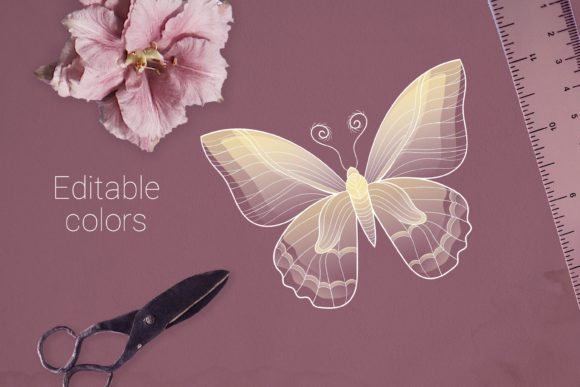
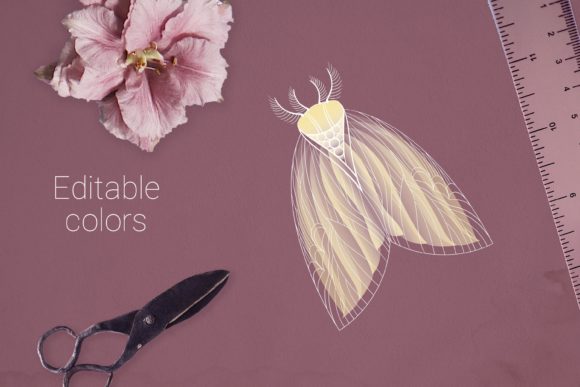
The first thing I noticed about the Moth Vector Drawing is its softness. The delicate white wings give it a dreamy, ethereal quality that feels right at home in the category of Illustrations. It’s not over-the-top ornate, nor is it too minimalist. Instead, it strikes a perfect balance between elegance and simplicity. This kind of design doesn’t scream for attention—it whispers it.
Visually, the moth has a clean layout with subtle curves and fine lines. The wings are symmetrical and detailed enough to add visual interest without overwhelming the viewer. This makes it ideal for handmade products where subtlety and charm matter more than bold graphics. As someone who often works with personalized gifts and nursery decor, I can see this design fitting seamlessly into a variety of contexts, especially those that lean toward the romantic or whimsical.
What Kind of Project Feels Right?
I imagine using this design for a custom embroidered sweatshirt or tote bag—something where the embroidery sits flat and the fabric complements the light, airy nature of the moth. It could also be a great accent on a pillow cover or kitchen towel, adding a touch of sophistication to everyday items. For Etsy sellers, it would make a beautiful addition to wedding invitations or holiday cards when used as part of a layered digital product preview.
The Graphics type of this file allows for flexibility. You can adjust colors, outlines, and shapes easily from the vector base, which is a huge plus when tailoring the design for different client preferences or branding needs. That adaptability alone makes it worth considering for your next project.
Real-Life Embroidery Performance
When evaluating an embroidery file, I always look at how well it translates from screen to stitch. The Moth Vector Drawing passes the test in most cases. The wing details are clear and easy to follow, even after being converted to various stitch types like satin stitch or fill stitch. It maintains a sense of grace whether stitched in metallic threads for a luxury look or in simple thread tones for a cottagecore vibe.
- Custom Apparel: On a sweatshirt embroidery project, the moth adds a refined touch. It works especially well when placed near the hem or sleeve, avoiding high-stress areas where stretching might distort the design.
- Baby Clothes & Items: The soft imagery suits baby embroidery beautifully. Picture it on a onesie or bib, paired with gentle script lettering for names or dates. Just be mindful of the stitch density—you don’t want it too tight for something that will be washed frequently.
- Patches & Caps: While the design isn’t bulky, it could still be adapted into a small embroidered patch or used on a curved surface like a cap. However, some detail may need to be simplified for these tighter hoop sizes.
- Home Décor: On a tote bag design or apron, the moth becomes a statement piece. It's elegant enough for boutique-style branding and versatile enough to pair with other motifs or text.
- Digital Use: As a printable mockup asset, it enhances the visual appeal of digital previews for clients or shop listings. Its clarity and scalability make it perfect for design assets that need to look sharp at any size.
Where to Use It Carefully
While the Moth Vector Drawing is adaptable, there are scenarios where it might not perform optimally. Here are some practical notes based on my experience:
- Small Hoop Sizes: If you're working within a limited space, the intricate wing patterns may require simplification to ensure clarity post-stitching.
- Textured or Thin Fabrics: The fine details could get lost on heavily textured materials or stretchy knits. Test it out on a scrap before committing to a production run.
- Dark Backgrounds: The white theme of the moth means it won't show up as clearly on dark-colored fabrics. Consider using a contrasting thread color or adjusting the design to include a shadow effect for better visibility.
- Products Requiring Frequent Washing: Dense stitch areas might pill or fade over time. Opt for lighter stitch density and high-quality thread if you’re planning to use it on baby clothes or tea towels.
- Layered Garments: Placing the design on thick, layered materials (like quilted jackets) could cause puckering or distortion. A good stabilizer and careful tension settings are essential here.
Design Impact and Customer Perception
In terms of visual appeal, the Moth Vector Drawing elevates the perceived value of a finished product. Whether it’s a holiday gift or a commercial embroidery item, the design brings a sense of thoughtfulness and artistry that customers notice. It’s the kind of detail that turns a basic handmade product into something memorable.
Stitching clarity is another strong point. The wings maintain their shape and definition, especially when using a smooth cotton or linen blend. This consistency helps reinforce brand recognition and professionalism—two key elements for small shop product lines or craft business owners looking to build trust with buyers.
On darker backgrounds, the moth might lose some of its magic unless you adjust the thread colors or layer it with a background fill. But when done right, it creates a contrast that feels intentional and elegant. Think of it as a silent storyteller in your embroidery project—subtle, yet impactful.
Practical Tips for Designers and Makers
- Test on Scrap Fabric: Before stitching on a final product, always do a test run. This is crucial for understanding how the design reacts to your machine and materials.
- Check Thread Color Contrast: Especially important for digital embroidery files intended for dark or patterned fabrics. Adjust accordingly to keep the design legible and appealing.
- Review Stitch Density: Too much density can lead to puckering or stiffness. Find a balance that preserves the design’s integrity while ensuring comfort and durability.
- Confirm Hoop Size: If you're planning to scale down the design for smaller items, verify that all details remain intact and readable.
- Inspect Small Details: Zoom in on the vector lines and ensure they translate well into stitch paths. Sometimes, what looks crisp on screen can become jagged in reality.
- Try Black and White Mockups: This helps you evaluate the design’s structure and how it might look in grayscale or on monochrome products.
- Compare Light and Dark Backgrounds: See how the design holds up on both ends of the spectrum. This gives insight into potential modifications for broader use.
- Use Proper Stabilizer: Depending on the fabric, choose a stabilizer that prevents shifting and supports the design’s finer elements.
- Confirm Licensing: Always check licensing agreements before selling finished items or digital products. Some designs are strictly for personal use only.
Final Thoughts for the Creative Entrepreneur
Overall, the Moth Vector Drawing is a solid choice for anyone in the craft business or digital product seller space. It brings a quiet elegance to your offerings, making it suitable for both personalized gifts and commercial embroidery ventures. The ability to customize colors and outlines from the vector base gives you creative freedom, which is invaluable when designing for diverse audiences or seasonal collections.
However, as with any machine embroidery design, success depends on thoughtful application. Be aware of fabric limitations, hoop constraints, and customer expectations. With a bit of experimentation and care, though, this design can enhance your handmade product lineup and help your brand stand out in a crowded market.
For embroidery designers and creative entrepreneurs, the Moth Vector Drawing is a keeper—especially if you’re aiming for that soft, timeless aesthetic that resonates across many illustration-based projects.