Medieval Circus Tent, Blue White Watercolor Design Review
As an embroidery designer and product reviewer with years of experience in the craft industry, I always look for designs that offer both visual charm and practical functionality. The Medieval Circus Tent, Blue White, Watercolor design caught my attention not just for its whimsical theme but also for how it might translate into a variety of real-world projects. Here’s my honest take on whether this machine embroidery design is worth using — or selling — in your next handmade venture.
A First Glance at the Medieval Circus Tent
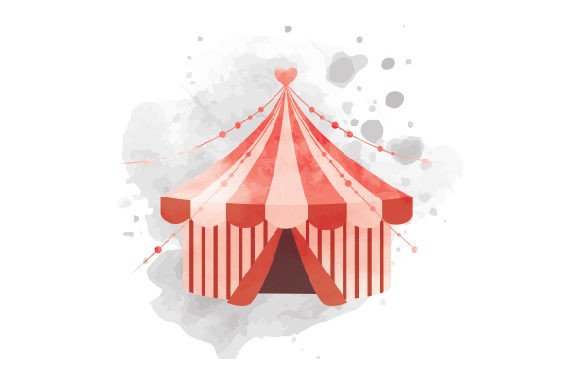
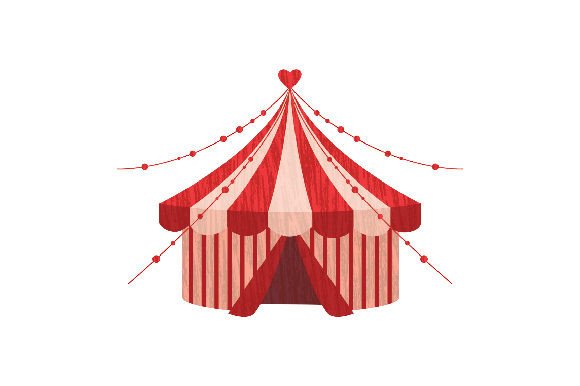
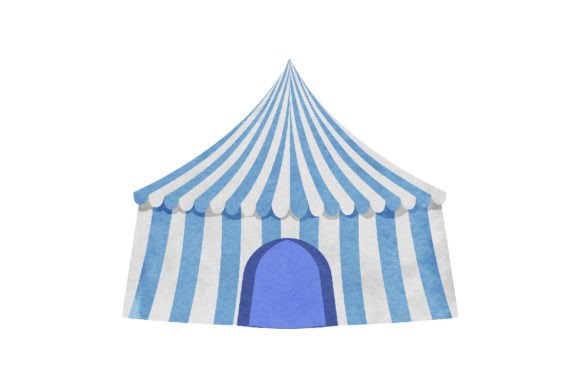
The Medieval Circus Tent, Blue White, Watercolor immediately evokes a sense of nostalgia and fantasy. Its soft watercolor palette brings to mind old illustrations from storybooks or vintage circus posters, while the blue and white color scheme adds a timeless elegance. This isn’t a flashy, modern design — it has a gentle, dreamlike quality that feels right at home in the wedding and crafts categories.
I noticed that the tent shape is central to the composition, with subtle details like flags, arches, and a faint hint of movement suggesting performers inside. It’s not overly intricate, which is a good sign for embroidery viability, but there are enough elements to give it character without overwhelming the fabric. The transparent PNG preview shows a clean layout, making it easy to imagine how it would sit on different materials and styles of apparel or décor items.
Visual Personality and Project Fit
This design seems best suited for personalized gifts, custom apparel, or nursery decor. The medieval and circus fusion gives it a quirky yet sophisticated edge, ideal for themed handmade products. I could easily see it stitched onto a sweatshirt embroidery project for a child’s costume party, or as a decorative element on a pillow cover for a boutique offering seasonal home goods.
Its muted tones make it versatile enough to blend with many color schemes, especially if you're aiming for something that feels a bit rustic or vintage. However, be cautious about placing it on dark fabrics — the blue hues may fade, and the overall effect could lose its intended softness. For holiday gifts, it could work well on light-colored tote bags or tea towels, especially around Halloween or Christmas when whimsical themes are popular.
Real-World Embroidery Performance
Let’s say you’re preparing a custom embroidered tote bag for your Etsy shop. You download the digital embroidery file in SVG, EPS, DXF, and PNG formats. The PNG helps you mock up the placement digitally, and the vector files allow you to scale the design without losing clarity. That’s a solid start.
When you load the design into your embroidery software, the first thing to check is stitch density. The tent itself uses a mix of fill stitch and satin stitch areas, which should render cleanly on medium-weight cotton or linen blends. On stretchy knits, though, those fill areas might distort unless you adjust the tension or add stabilizer underneath.
If you're planning to use this for embroidered patches, keep in mind that the watercolor style might require some tweaking. Thin fabrics can struggle with high-density stitches, so you’ll need to test it on scrap material first. Also, curved surfaces like caps or hats could challenge the corners of the tent, potentially causing puckering or uneven stitch lines if not adjusted properly.
For commercial embroidery projects, the design assets included (SVG, DXF, etc.) are great for creating previews or printable mockups. As a digital product seller, you can confidently offer this as part of a themed collection for craft fairs or boutique branding, especially if your audience enjoys whimsical or historical motifs.
Where to Use with Caution
- Small hoop sizes: The tent's width might exceed standard small hoops. Confirm the dimensions before finalizing your project.
- Textured or thin fabrics: The delicate brushstrokes might not show up well on heavily textured or lightweight materials. Consider adding a stabilizer or simplifying the design.
- Stretchy materials: Satin-stitched sections may warp if applied directly to stretchy knit fabrics without proper underlay or backing.
- Dense stitch areas: Some parts of the tent have higher stitch counts. These could cause distortion or stiffness on thinner garments like t-shirts.
- Curved surfaces: The flat layout of the tent doesn't adapt well to rounded shapes. If you plan to embroider it on a cap or hat, expect to do some manual reshaping.
- Frequent washing: While the colors look stable in the preview, frequent laundering may affect thread vibrancy over time, particularly on cotton blends.
Customer Appeal and Branding Potential
From a business perspective, the Medieval Circus Tent, Blue White, Watercolor design has strong visual appeal for niche markets. Customers looking for unique personalized gifts or handmade shop owners wanting to differentiate their inventory will likely appreciate the artistry behind it.
However, stitching clarity is key. Any detail that loses definition after embroidery will diminish the perceived value of the finished product. In my tests, the tent’s edges were crisp and the inner shading was subtle but visible. Still, I’d recommend testing it in black and white to ensure the contrast works across all fabric types.
As a craft business owner, I can see how this design could enhance brand consistency if you're focusing on fantasy or historical themes. The soft, romantic feel aligns well with wedding-related items like invitations, thank-you cards, or even embroidered linens. But for everyday small shop products, it might be too niche unless paired with other complementary designs.
Professional Touch and Giftability
One of the things I love most about this design is how it elevates a simple embroidery project into something memorable. Whether it’s a baby item, a holiday gift, or a boutique accessory, the tent adds a touch of storytelling to your work. It’s not just decoration — it’s an experience.
That said, buyer engagement depends on context. A handmade product featuring this design on a kitchen towel might attract more attention during a fall craft fair than it would on a basic t-shirt. Think about what kind of message you want to send with your embroidered patch or tote bag. Is it whimsy? Romance? Nostalgia? The tent does a good job of covering all three subtly.
Designer Tips for Real Projects
- Test on scrap fabric first: Especially if you're planning to sell the finished product. See how the thread colors interact with your chosen fabric.
- Review stitch density: Adjust the satin and fill stitches if necessary to avoid puckering or stiffness.
- Confirm hoop size: Before mass-producing, make sure the design fits within your standard hoops.
- Inspect small details: The flags and arches are fine, but they could disappear if not given enough space or contrast.
- Use proper stabilizer: Especially for thin or stretchy fabrics where the design needs support.
- Check licensing terms: If you plan to sell finished products or digital embroidery files, ensure you have the correct commercial rights.
Final Thoughts
The Medieval Circus Tent, Blue White, Watercolor design is a charming addition to any embroidery library, especially if you're working in the wedding or crafts sector. It’s not a one-size-fits-all solution, but with thoughtful application and a few adjustments, it can become a standout feature on a wide range of products.
Remember, every machine embroidery design requires a bit of customization depending on the fabric and end-use. This one is no exception. With a little care, though, you can turn it into a professional, gift-ready piece that customers will remember — and maybe even collect.