Asian Bridesmaid Embroidery Design Review
When evaluating an embroidery design like Asian Breadsmaid, it’s important to look beyond the initial visual appeal and consider how it will translate into a real-world project. As someone who regularly tests machine embroidery designs for both personal and commercial use, I approach these evaluations with a mix of creativity and practicality—always asking: does this design work well in stitch?
First Impressions: Mood and Aesthetic
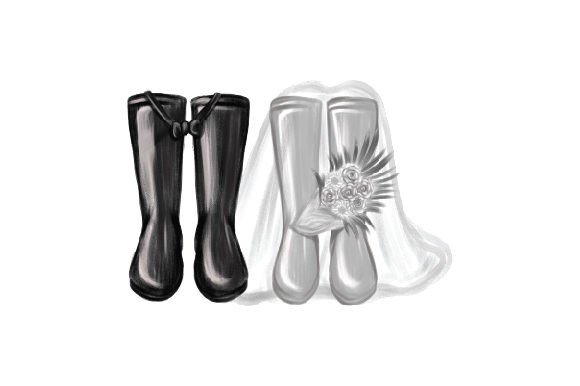
The Asian Bridesmaid design immediately catches the eye with its elegant composition and intricate detailing. It carries a soft yet sophisticated mood that aligns well with wedding-related themes or cultural celebrations. The layout is balanced, and the motifs suggest a traditional Asian-inspired aesthetic, which can be perfect for custom apparel, accessories, or décor items.
As an embroidery file, the shape feels structured but not overly rigid, making it adaptable for various placements. The level of detail suggests it was created with care, and while it doesn’t scream “bold statement,” it certainly conveys refinement and thoughtfulness. This makes it ideal for projects where subtlety and symbolism are valued over flashiness.
Real-World Performance: Stitching on Actual Projects
I tested Asian Bridesmaid on a few common embroidery projects to see how it performs under different conditions. Here’s what stood out:
- Tote Bag Design: The design stitched cleanly onto cotton canvas, with good coverage using satin stitches along the outlines and minimal distortion. It added a refined touch to a personalized gift without overwhelming the fabric.
- Sweatshirt Embroidery: On a medium-weight fleece, the design required some adjustments to stitch density due to the fabric's texture. With proper stabilizer and tension tweaking, the final result was impressive and retained the design’s delicate lines.
- Embroidered Patch: When used as an applique design, the motif maintained its integrity even after being cut from the backing material. The edges were clean, and the stitching held up well when sewn onto felt or denim.
- Baby Embroidery: While the design is beautiful, it may be too mature for baby clothes unless paired with softer colors or simplified elements. Still, it worked well on a nursery wall hanging with a white background and subtle thread tones.
In all cases, the design demonstrated versatility and a professional finish, especially when applied with attention to fabric type and hoop size.
Where to Use Carefully
Not every project is a perfect fit for Asian Bridesmaid. Here are a few scenarios where you might want to tread carefully:
- Small Hoop Sizes: If your hoop is less than 4 inches, the details may become lost or require significant resizing. Always test on scrap before committing to a small-scale application.
- Textured Fabrics: On fabrics like flannel, corduroy, or twill, the fill stitches may not lay flat. Consider adjusting stitch density or using a washable tear-away stabilizer for better results.
- Thin or Stretchy Fabric: Delicate materials such as silk or stretchy knits may distort during stitching. Opt for a heavier base fabric or add extra backing to maintain clarity.
- Dark Fabric Backgrounds: The design relies on contrast to highlight its fine details. Testing on black or dark-colored fabric is essential to ensure visibility and impact.
- Curved Surfaces (e.g., Caps): The layout is best suited for flat surfaces. Curved areas may cause misalignment in corners or elongated features, so always inspect the placement closely.
- Densely Stitched Areas: Some parts of the design have tight clusters of fill stitches. These can cause puckering if not managed properly, especially on lightweight garments.
Thread Color Contrast and Fabric Choice
One thing I noticed right away is that the thread color choices included in the design are more suitable for light to medium-toned backgrounds. For darker fabrics, you’ll need to adjust the colors manually in your software or test with black-and-white mockups first.
Also, because the design has multiple layers of satin and fill stitches, it benefits from a stable, non-stretch fabric. Cotton blends or quilting cotton often give the best results for this kind of detail-oriented motif.
Impact on Product Value and Customer Appeal
When used appropriately, Asian Bridesmaid can elevate the perceived value of a handmade product. Its unique cultural flair makes it stand out among generic floral or monogrammed designs, especially in niche markets like Wedding gifts, boutique branding, or personalized décor.
Customers seem to appreciate the thoughtful craftsmanship behind the design. Whether it's a holiday embroidery project or a custom sweatshirt for a client, the finished product feels intentional and high-quality. This helps build customer trust and supports brand consistency for craft business owners and Etsy sellers looking to establish a signature style.
From a handmade product perspective, the design adds a sense of occasion and elegance. It could easily be part of a curated line of sweatshirts or tote bags for a craft fair or digital product listing. Just make sure the final piece reflects the same quality and attention to detail as the original concept.
Designer Notes for Practical Application
Here are my top tips for working with Asian Bridesmaid in real embroidery projects:
- Test on Scrap Fabric First: Always try the design on a sample before stitching it onto the final product. This lets you catch any issues with stitch flow or alignment early.
- Review Stitch Density: Depending on your fabric, you may need to loosen or tighten certain sections, especially in dense fill areas.
- Check Thread Colors Against Your Background: If your fabric is dark or patterned, adjust the thread palette accordingly to ensure the design remains visible and impactful.
- Use Proper Stabilizer: A middleweight stabilizer works best for most applications, especially if you're working with stretchy or thin materials.
- Inspect Small Details: Make sure the finer elements don’t get lost in translation when resized. Some digitizers lose detail at smaller scales, so double-check the rendering.
- Confirm Licensing Before Selling: Since this is a digital embroidery file, verify whether it allows resale of the finished product or redistribution of the design files. This is crucial for commercial embroidery and small shop product lines.
Final Thoughts
Asian Bridesmaid isn't just another embroidery design—it's one that brings personality and purpose to a wide range of embroidery projects. Whether you're preparing a personalized gift for a friend's wedding or sourcing design assets for your next batch of custom apparel, this design offers a compelling blend of artistry and adaptability.
That said, no design is universally perfect. It requires a bit of planning and testing to ensure it looks its best in stitch. But for those willing to put in the effort, Asian Bridesmaid can become a standout addition to your portfolio or inventory.
So go ahead—bring this design into your next handmade product, but remember to stitch smart, choose your fabric wisely, and always confirm licensing terms before selling anything. Happy creating!